

Introduction: The Importance of Defensive Cooldowns in WoW Raids
Raiding in World of Warcraft has always been about team coordination, precise execution, and personal survival. While tanks and healers bear the brunt of keeping the raid alive, DPS players are also responsible for managing their defensive abilities to avoid unnecessary deaths.
One of the biggest differences between casual and high-end raiders is how well they use their defensive cooldowns. A well-timed defensive can mean the difference between surviving a raid-wide nuke or dying instantly, which is why understanding class defenses, damage mitigation, and self-healing abilities is critical for every raider.
This guide will cover:
- The role of defensive cooldowns in raiding and how they’ve evolved.
- How each class utilizes its defensive toolkit to reduce incoming damage.
- The difference between active and passive mitigation in raid encounters.
- Survival strategies for tanks, healers, and DPS in Mythic raids.
Whether you’re a new raider looking to improve your survivability or a seasoned Mythic player optimizing cooldown efficiency, mastering defensive cooldowns is key to staying alive and ensuring raid success.
1. The Evolution of Defensive Cooldowns in WoW Raiding
1.1 Defensive Cooldowns in Classic WoW: Limited but Essential
In Vanilla WoW, defensive cooldowns were scarce, and many classes had to rely on:
- Healers managing incoming damage through healing output rather than damage reduction.
- Limited active mitigation, meaning most classes depended on armor and resistances.
- Consumables like Greater Stoneshield Potions or Free Action Potions to mitigate damage.

Tanks had abilities like Shield Wall (Warrior), but DPS classes had little to no personal defenses, meaning fights were heavily healer-dependent.
1.2 The Burning Crusade & Wrath of the Lich King: The Rise of Active Mitigation
With The Burning Crusade and Wrath of the Lich King, Blizzard expanded defensive toolkits, giving more classes access to personal damage mitigation.
- Tanks gained proactive cooldowns, such as Paladin’s Divine Protection and Druid’s Barkskin.
- Healers received emergency cooldowns, like Guardian Spirit (Priest) and Lay on Hands (Paladin).
- DPS players were introduced to more self-sustain abilities, reducing their dependency on healers.
This shift allowed raiders to take responsibility for their own survival, making high-end raiding less about raw healing throughput and more about personal awareness.
1.3 Modern WoW Raiding: Every Class Has Defensive Options
By Dragonflight and The War Within, every class now has multiple defensive cooldowns, ensuring that no one is completely helpless when facing high-damage mechanics.
- Tanks use active mitigation abilities to smooth out incoming damage.
- Healers rely on raid-wide cooldowns to stabilize the group during burst phases.
- DPS have personal defensives that allow them to survive lethal mechanics without external healing.
This shift has made defensive cooldown management as important as DPS rotations, especially in Mythic encounters where every second of survival counts.
2. The Different Types of Defensive Cooldowns in Raiding
2.1 Active vs. Passive Mitigation
- Active Mitigation refers to abilities that require manual activation, such as Shield Wall, Ice Block, or Barkskin. These cooldowns must be timed properly to reduce lethal damage.
- Passive Mitigation includes natural damage reductions, armor scaling, and automatic procs like Demon Hunters’ Blur or Death Knights’ Bone Shield. These defenses work in the background, making the class more durable.

A combination of both active and passive defenses is crucial for maximizing survivability in modern WoW raiding.
2.2 Short vs. Long Cooldowns
- Short cooldowns (20-60 seconds): These should be used frequently to mitigate constant incoming damage. Examples include Feint (Rogue), Barkskin (Druid), and Anti-Magic Shell (Death Knight).
- Long cooldowns (2-5 minutes): These are meant for high-damage phases and should be saved for raid-wide nukes or personal emergencies (e.g., Ice Block, Divine Shield, Last Stand).
Understanding when to use short vs. long cooldowns is essential for staying alive through progression fights.
3. Defensive Cooldowns for Each Role in WoW Raiding
3.1 Tank Defensive Strategies: Managing Incoming Damage
Tanks rely on both mitigation and self-healing to survive heavy-hitting bosses. Key strategies include:
- Rotating active mitigation (e.g., Shield Block, Ironskin Brew, Marrowrend) to prevent spike damage.
- Using major cooldowns like Last Stand or Guardian of Ancient Kings for big tank busters.
- Coordinating with healers to time external mitigation (e.g., Pain Suppression, Hand of Sacrifice).
Tanks who optimize their defensive cooldowns correctly take less damage overall, making healing much easier.
3.2 Healer Defensive Strategies: Surviving While Keeping Others Alive
While healers focus on keeping the raid alive, they also have tools for personal survival:
- Preventative abilities like Spirit Shell (Discipline Priest) absorb damage before it happens.
- Instant self-healing, such as Nature’s Guardian (Shaman) and Ysera’s Gift (Druid), ensures they stay healthy without using GCDs.
- Personal defensives like Divine Protection (Paladin) and Fade (Priest) help reduce incoming damage.
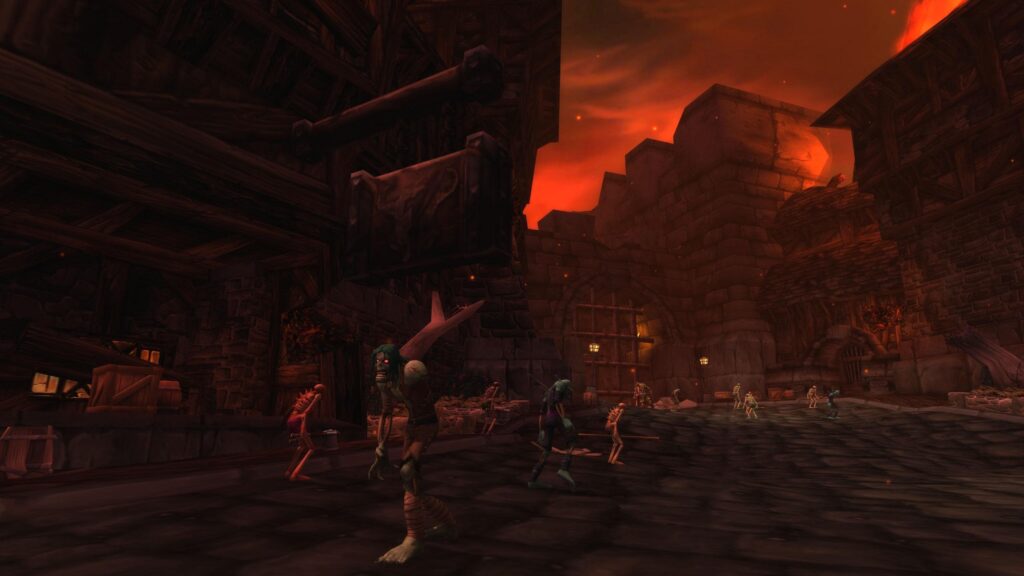
A healer who survives longer can continue keeping the raid alive, making personal defensives a crucial part of their toolkit.
3.3 DPS Defensive Strategies: Avoiding Unnecessary Deaths
DPS players must use their personal defensives wisely to avoid being a burden on healers.
- Short cooldowns like Feint (Rogue) and Blur (Demon Hunter) can be used frequently to reduce incoming damage.
- Immunity abilities like Ice Block and Cloak of Shadows allow DPS to solo soak dangerous mechanics.
- Self-healing tools like Exhilaration (Hunter) and Death Strike (Death Knight) allow for quick health recovery in emergencies.
A DPS who uses their defensive cooldowns correctly takes less unnecessary healing, allowing the group to focus on more pressing raid mechanics.
4. Proactive vs. Reactive Defensive Usage: The Key to Mythic Raiding
Many players make the mistake of reacting too late with their defensives. The best raiders anticipate damage and preemptively activate cooldowns before major hits occur.

4.1 Proactive Defensive Usage
- Tanks activating Shield Wall or Spell Reflection BEFORE a magic nuke lands.
- DPS using Feint BEFORE an AoE pulse rather than after.
- Healers pre-casting raid-wide mitigation for predictable burst phases.
4.2 Reactive Defensive Usage (When Necessary)
- Using an emergency cooldown after being unexpectedly targeted.
- Self-healing after a mistake to stabilize before receiving heals.
Proactive players take significantly less damage, allowing for easier progression and fewer healer mana issues.
5. Understanding the Synergy Between Defensive Cooldowns and Raid Mechanics
Defensive cooldowns are not just about reducing damage; they are a core part of executing raid mechanics properly. In high-end encounters, every major ability is designed with survivability in mind, meaning that using a defensive cooldown at the right moment can completely change the outcome of a fight.
One of the most common mistakes players make is using their defenses too late or too early. Many mechanics in Mythic raids deal unavoidable raid-wide damage, but not all damage is created equal. Understanding the difference between sustained damage over time and burst damage phases is critical to cooldown efficiency.
For example, during a fight like Mythic Sylvanas in Sanctum of Domination, players had to deal with consistent ticking damage during platform transitions as well as massive AoE explosions from Banshee’s Bane or Veil of Darkness. A good player would know to use smaller, shorter-cooldown defensives for the ticking damage while saving their strongest defensive for the high-damage moments that could one-shot them.
Anticipating Incoming Damage for Maximum Effectiveness
Successful raiders don’t wait until their health bar is low to activate defensives; they preemptively use them before the damage happens. This means paying attention to boss timers, voice callouts, and visual cues in the fight.

Tanks, for example, must rotate their mitigation cooldowns in sync with the boss’s attack patterns. A boss that does heavy melee auto-attacks combined with a magic burst attack requires both armor-based mitigation and magic resistance cooldowns. A Protection Paladin might use Ardent Defender for melee hits, but Divine Shield would be wasted if the biggest threat is a tank-busting shadow spell.
Similarly, healers must decide when to use their defensive cooldowns for personal survival versus saving them for an emergency healing situation. A Holy Priest might normally save Desperate Prayer for a personal emergency, but in fights with consistent group-wide pressure, using it on cooldown to mitigate overall damage intake is often better.
Survivability as a Team Effort
While personal defensives are crucial, no player survives a raid encounter on their own. Every defensive cooldown a player uses relieves pressure from the healers, allowing them to focus more on raid-wide healing rather than emergency spot healing.
Many raid fights include mechanics that force players to coordinate defensives, such as shared soaking mechanics, stacking damage reduction effects, or planned immunity usage. For example, in Mythic Raszageth (Vault of the Incarnates), players had to carefully coordinate immunities and personal defensives to survive overlapping storms and knockbacks. A single person mistiming their cooldown could result in a chain reaction of deaths, proving that survivability is not just an individual responsibility, but a group-wide effort.
In high-end progression, some fights even require raid leaders to track cooldowns and assign them strategically. A well-organized Mythic raid will have a cooldown plan that rotates defensives to smooth out damage intake, ensuring that the entire group is taking as little unnecessary damage as possible.
6. The Psychological Aspect of Defensive Cooldowns: Breaking Bad Habits
One of the biggest barriers to effective cooldown usage is player hesitation. Many players instinctively hoard their defensives, afraid to “waste” them. However, a defensive cooldown that is never used is infinitely worse than one that was used early.
Some players suffer from panic response, activating their defensive cooldowns too late when they are already close to dying. This habit is dangerous because many defensives work best when used proactively, meaning they mitigate damage before it happens rather than acting as an emergency recovery tool.

For instance, Rogues have access to Feint, which provides incredible AoE damage reduction, but it must be activated before the damage occurs. A Rogue who reacts too late and presses Feint after being hit has wasted its potential entirely.
Breaking the habit of defensive hesitation requires intentional practice. The best way to improve is to review logs after a raid and analyze cooldown timing. Many high-end raiders use Warcraft Logs or addons like Details! to track their defensive usage, identifying where they could have reduced incoming damage more efficiently.
Additionally, players can benefit from setting up WeakAuras or UI reminders to make sure they are using their cooldowns at the right time instead of relying purely on instinct. By developing a habit of proactive survival, players significantly reduce their risk of dying in high-pressure encounters.
7. The Future of Defensive Cooldowns in WoW: What’s Next?
As World of Warcraft continues to evolve, so do the game’s defensive mechanics. Over time, Blizzard has refined class defensives, making sure every specialization has at least one survival tool, but recent trends suggest even more focus on self-sustain and personal responsibility in future expansions.
One of the biggest changes in The War Within is Blizzard’s continued shift toward active mitigation across all roles, not just tanks. In the past, many DPS specs relied entirely on healers to keep them alive, but now, more and more classes are gaining self-sustain mechanics, absorb shields, and hybrid healing options to reduce healer burden.
For example, classes like Hunters and Rogues, which traditionally had fewer survival tools, have been receiving buffs to their self-sustain abilities. In contrast, classes that were previously too self-sufficient, like Blood Death Knights, have seen adjustments to make them more reliant on external healing.

This balance suggests that future raid mechanics will continue to emphasize personal responsibility, requiring players to actively participate in their own survival rather than expecting healers to carry the burden alone.
Additionally, Blizzard has been experimenting with more interactive cooldown mechanics—such as defensive abilities that have secondary effects based on timing or positioning. Imagine a future defensive cooldown where activating it at full health grants a barrier, but activating it below 50% health grants a self-heal instead. These kinds of dynamic cooldowns reward smart decision-making rather than just pressing buttons on cooldown.
Another possible future mechanic is more hybrid defensives that interact with team-based strategies. Abilities that not only reduce personal damage but also provide mitigation to nearby allies could create new layers of strategic depth in raid encounters.
Conclusion: Survivability is a Skill, Not Just a Cooldown
At its core, surviving in a raid is about understanding when and how to use defensive cooldowns, but it’s also about being aware of mechanics, reacting to fight timers, and coordinating with the team.
A well-played defensive cooldown can mean the difference between surviving a game-changing mechanic or instantly dying, but mastery of survivability requires more than just pressing a button. Players must:
- Anticipate damage before it happens.
- Use cooldowns efficiently instead of hoarding them.
- Work with the raid team to layer defensive abilities for maximum impact.
- Break bad habits of reacting too late or hesitating on cooldown usage.
As WoW’s raiding content continues to push the limits of mechanical difficulty and personal responsibility, the best players will be those who master survival as much as they master their damage rotations.
So the question remains: Are you just playing your class, or are you truly mastering it by taking control of your own survival?


