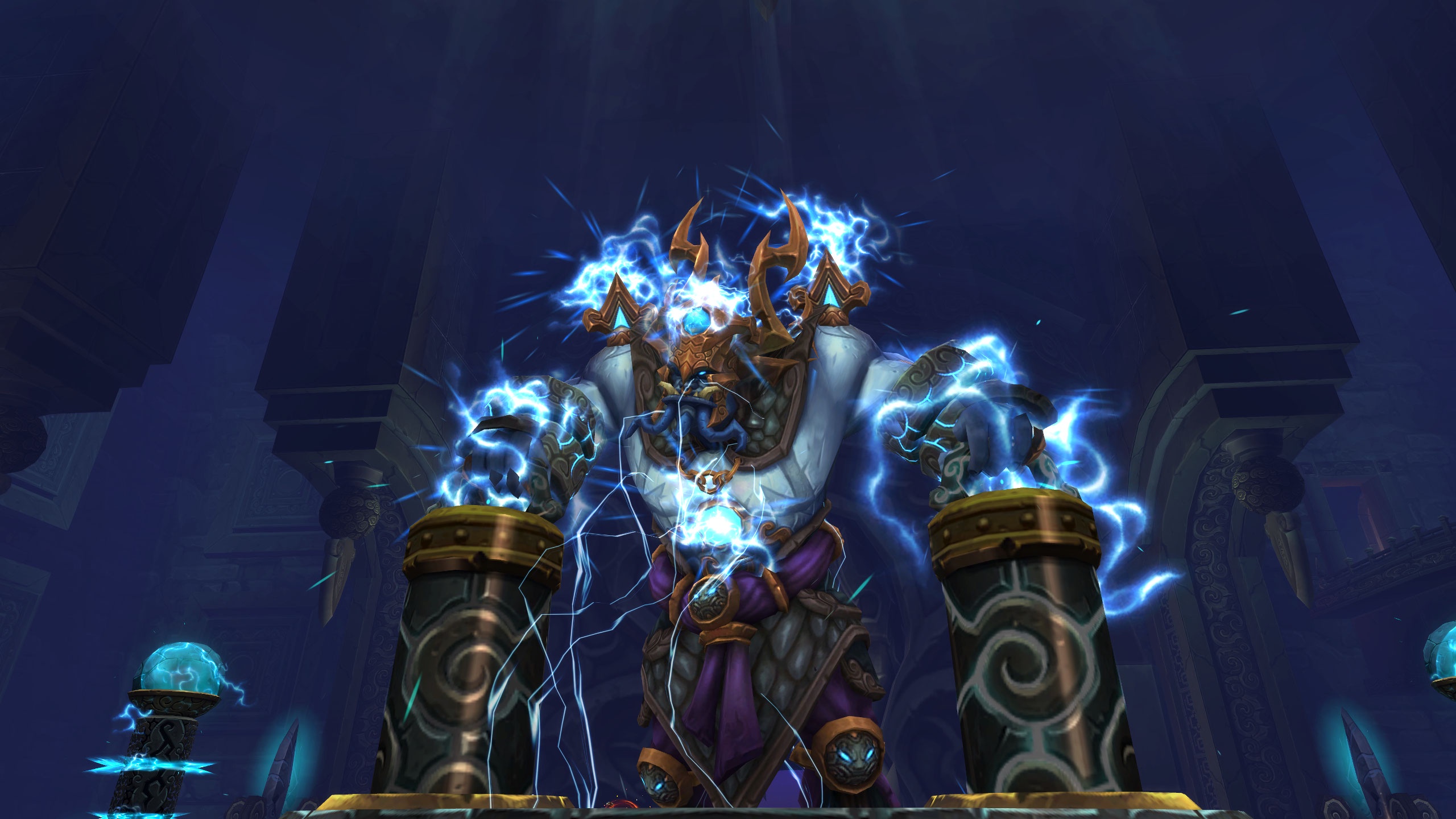

In Classic WoW, you needed deep class knowledge and strategic planning to triumph in PvE. Moving into The Burning Crusade, mastering new raids and adjusting strategies after failures became key. Wrath of the Lich King demanded precise coordination and role-specific positioning. Legion brought innovations like Mythic+ and dynamic World Quests, emphasizing scalable challenges and immersive gameplay. In Shadowlands, unique mechanics and story-driven content required quick thinking and adaptability. With each expansion, understanding boss mechanics and team coordination have been essential. Gear planning, environment utilization, and learning from each encounter prepare you for success. Exploring further will uncover more strategies for conquering Azeroth’s evolving challenges.
Key Takeaways
- Classic WoW PvE emphasized mastering class roles, strategic planning, and teamwork in challenging environments.
- The Burning Crusade expanded PvE with new raids/dungeons, focusing on unique mechanics and balanced team composition.
- Wrath of the Lich King advanced PvE content with unforgettable raids requiring precise coordination and role-specific tasks.
- Legion introduced scalable difficulty through Mythic+ Dungeons, dynamic World Quests, and class-specific progression systems.
- Shadowlands added unique mechanics, immersive storytelling, and adaptability challenges in environments like Torghast, Tower of the Damned.
The Beginnings in Classic WoW
Exploring the origins of PvE content in Classic WoW, you’ll find it was a groundbreaking experience for players. For PvE players hungry for epic gear, Classic WoW demanded more than just time; it required strategic planning and a deep understanding of each class’s role. Engaging in heroic dungeons or venturing into the rich history of Azeroth’s capital city, Khaz Algar, wasn’t just about battling foes. It was about mastering mechanics, coordinating with your team, and adapting strategies on the fly.
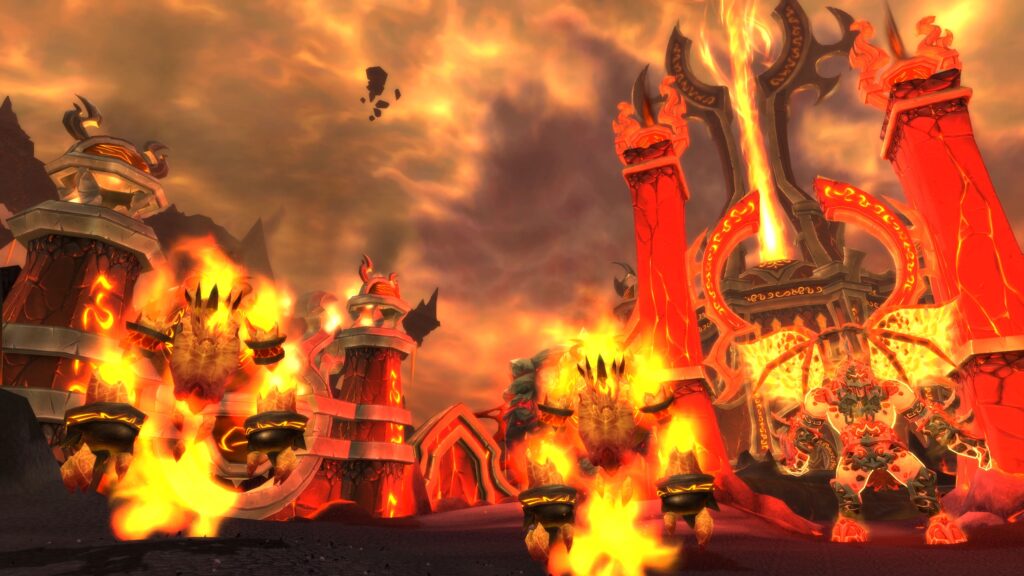
To excel, you needed to study your enemies, learn their weaknesses, and plan your gear and skill rotations meticulously. Success in these early PvE encounters wasn’t just about brute force; it was about using the environment to your advantage, timing your cooldowns perfectly, and knowing when to push forward or retreat.
The Burning Crusade Expansion
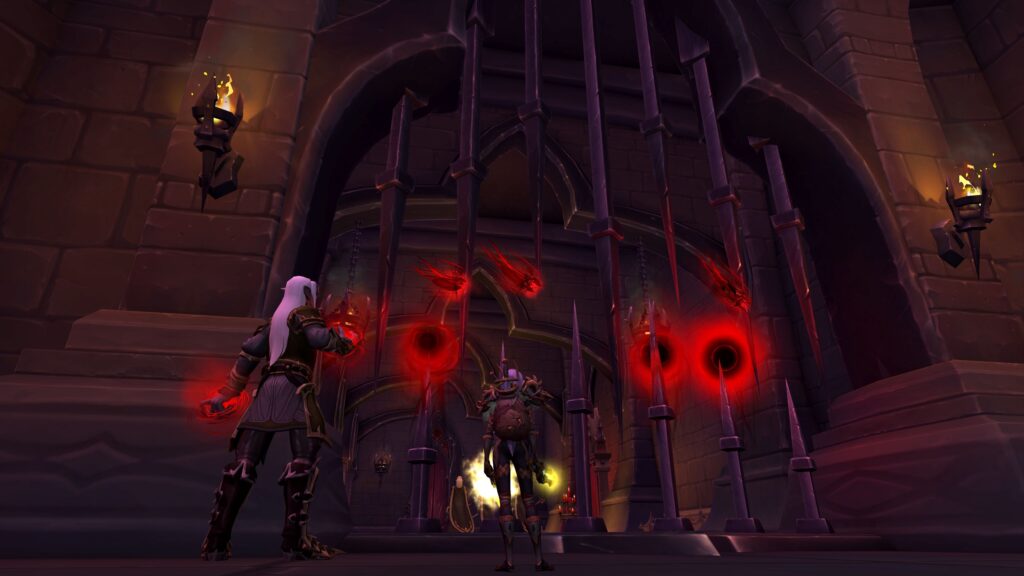
Delving into ‘The Burning Crusade’ expansion, you’ll find it greatly evolved WoW’s PvE content, introducing new raids and dungeons that challenged players like never before. Unlike the sprawling outdoor zones of Icecrown Citadel in the future expansions, this expansion focused on the dark, foreboding atmospheres of places like Hellfire Citadel and mysterious underground caverns, offering a variety of environments that tested your mettle on PvE servers.
To navigate these challenges, consider these strategies:
- Master the Mechanics: Each boss in Hellfire Citadel has unique mechanics. Study them closely to avoid lethal mistakes.
- Team Composition Matters: Ensure your raid team has a balanced mix of DPS, healers, and tanks. Coordination and role clarity are key.
- Gear Up: Before tackling the toughest dungeons, equip your character with the best possible gear. Every stat boost counts.
- Learn from Each Attempt: Each failure is a learning opportunity. Analyze what went wrong and adjust your strategy accordingly.
In ‘The Burning Crusade’, the evolution of PvE content was not just about adding more challenges; it was about enriching the player’s experience with complex mechanics and strategic depth, all set in enthralling environments that kept you coming back for more.
The Wrath of the Lich King Era
As WoW’s narrative unfolded, ‘The Wrath of the Lich King’ expansion significantly advanced PvE content, introducing unforgettable raids and dungeons that tested players’ skills and strategies. You found yourself diving into the icy depths of Northrend, facing off against the minions of the Lich King and culminating in the iconic raid against Arthas himself in Icecrown Citadel. This era demanded more from you, not just in mastering your class, but in understanding the mechanics of each encounter.
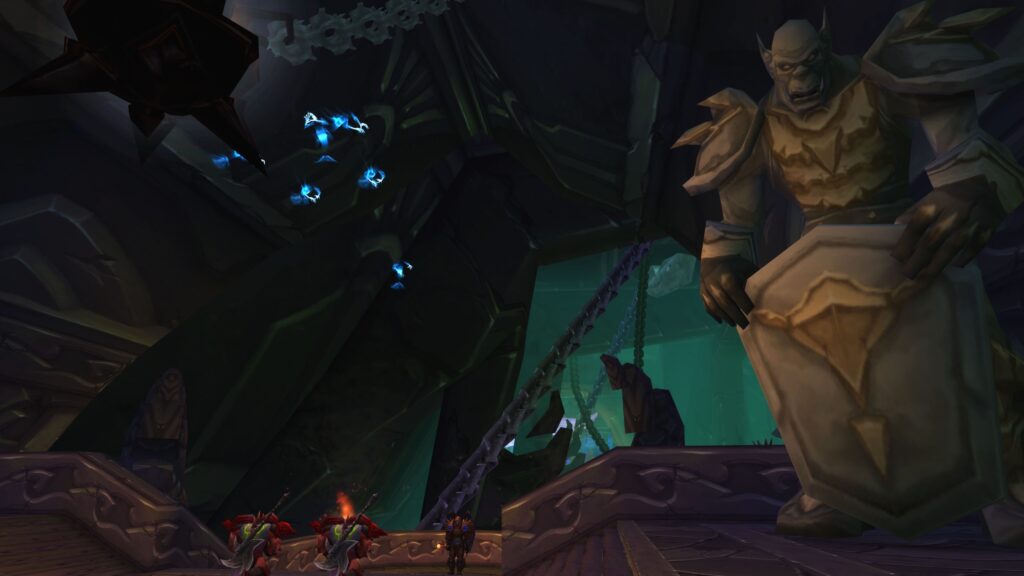
To thrive, you needed to adapt. Dungeons like The Nexus and Ulduar required precise coordination. You couldn’t just hack and slash your way through; you had to learn the dance of dodging boss abilities, managing adds, and executing role-specific tasks with precision. For instance, interrupting spell casts became vital, and positioning could mean the difference between victory and a wipe.
Raids introduced complex mechanics that required every team member to play their part perfectly. The infamous Lich King fight, with its phases and the dreaded Defile and Valkyr Shadowguard mechanics, tested guilds for months. Success in these encounters wasn’t just about gear; it was about teamwork, quick thinking, and flawless execution. This era taught you that understanding and adapting to mechanics was key to conquering PvE challenges in WoW.
PvE Innovations in Legion
Moving on from the icy battles against the Lich King, Legion brought its own share of groundbreaking PvE content that redefined your adventure in WoW. You were thrust into a world teeming with new challenges and mechanics that demanded your attention and strategy. Here’s a glimpse into what made Legion a pivotal moment for PvE content:
- Mythic+ Dungeons: A scalable difficulty system for dungeons that increased the stakes with both higher difficulty and better rewards, pushing you to refine your gameplay and coordination.
- World Quests: An innovative approach to questing that kept the world dynamic and engaging, offering you a variety of challenges and rewards that changed daily.
- Class-Specific Order Halls: A unique space for each class that not only served as a hub but also intertwined with your character’s progression and story, enhancing your sense of identity within the game.
- Artifact Weapons: Central to your journey in Legion, these powerful weapons grew in strength as you did, adding a layer of customization and strategy to how you built your character.
Each element contributed to a richer, more immersive PvE experience, ensuring that every battle, quest, and dungeon wasn’t just another fight but a step in your ongoing adventure.
Shadowlands and Beyond
Shadowlands ushered in an era of innovation and vital, redefining your PvE experience with its unique mechanics and immersive storytelling. As you navigate through the domains of the afterlife, you’ll find that each zone introduces distinct challenges that require you to adapt and strategize differently. The key to success lies in understanding the mechanics of new bosses and the environments they inhabit.
Torghast, Tower of the Damned, represents a significant evolution in WoW’s PvE content. This ever-changing dungeon experience demands that you’re not just strong, but also clever, making the most out of the Anima Powers available to you. To conquer it, you’ll need to tailor your approach to each run, picking powers that complement your playstyle and counter the specific threats you’re facing.
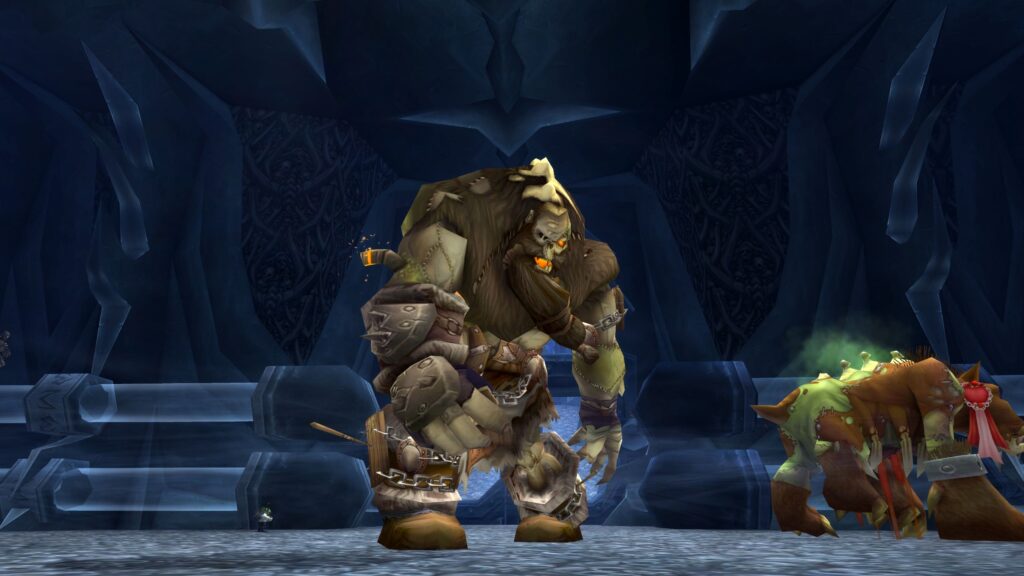
In raids and dungeons, coordinating with your team has never been more essential. Boss fights in Castle Nathria and beyond introduce mechanics that punish individual mistakes harshly but reward collective strategy and quick thinking. Paying close attention to fight mechanics and adapting on the fly can be the difference between a triumphant victory and a crushing defeat.
As you move beyond Shadowlands, remember that mastering PvE content is a journey. Stay informed about updates, as new challenges await that will continue to test your skills and resolve.
Frequently Asked Questions
How Has the Role of Voice Acting and Narrative Storytelling in Pve Content Evolved From Classic Wow to the Present?
You’ve noticed voice acting and narrative storytelling in PvE content have drastically evolved. Initially, they were minimal, but now they’re central, enhancing immersion and emotional depth, making your adventures in Azeroth more engaging and memorable.
What Impact Have Community-Driven Events and Player-Created Content Had on the Development of Pve in Wow Over the Years?
You’ve observed how community-driven events and player-created content have greatly influenced WoW’s PvE landscape, making it more dynamic and personalized, breathing fresh life into the game and fostering a stronger, more engaged community over the years.
How Has the Integration of Esports and Competitive Pve, Such as Mythic Dungeon Invitational, Influenced the Design of Pve Content?
You’ve seen the game change before your eyes, as esports like the Mythic Dungeon Invitational have pushed PvE content to new heights. This integration’s made the game more competitive and challenging, keeping you on your toes.
In What Ways Have Advancements in Game Engine Technology and Graphics Affected the Immersion and Gameplay Experience in Pve Content?
Advancements in game engine technology and graphics have greatly enhanced your immersion and gameplay experience in PvE content, making environments more interactive, battles more dynamic, and the overall experience more visually engaging and compelling.
How Have Changes in Player Behavior and Preferences Influenced the Development and Design of Pve Content From Classic Wow to Modern Expansions?
As they say, change is the only constant. You’ve seen how your evolving tastes and behaviors have shaped WoW’s PvE content, pushing developers to innovate from classic raids to modern, dynamic expansion challenges.
I’m thrilled to invite you to join me on my World of Warcraft blog. Here, we’ll embark on epic quests, share tips and strategies, celebrate victories, and mourn defeats. Whether you’re a seasoned veteran or a newbie just starting your journey, there’s a place for you here. So, grab your gear, sharpen your swords, and let’s conquer Azeroth together!


